
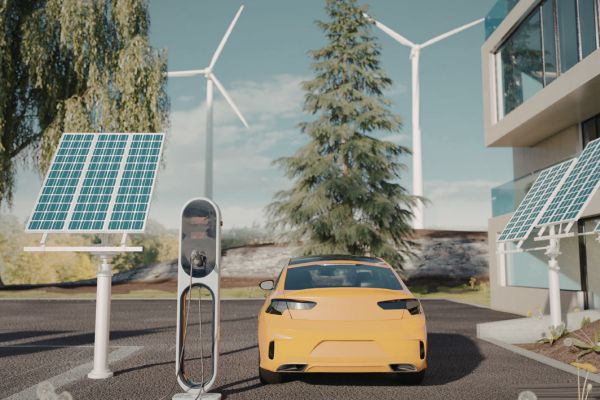
Transportation is changing faster than it has in decades. Electric cars have moved from niche curiosity to everyday reality, charging stations are expanding, and more people now think seriously about emissions, fuel costs, and long-term sustainability when choosing how to travel. Yet even as battery electric vehicles grow in popularity, another idea continues to capture the imagination: cars powered by sunlight.
The phrase sounds almost futuristic. A vehicle that gathers energy while parked outside, driving under clear skies, or sitting in a driveway feels like something once reserved for concept drawings. But the technology is no longer purely theoretical. Solar integration in transport is advancing steadily, even if practical limitations remain.
Understanding solar-powered vehicles requires separating fantasy from reality. They may not replace every car tomorrow, but they represent an important direction in cleaner mobility.
What Solar-Powered Vehicles Actually Are
Many people imagine a car running entirely from rooftop solar panels alone. In practice, most modern solar vehicles combine solar generation with battery storage and electric drivetrains.
Panels mounted on the vehicle capture sunlight and convert it into electricity. That energy may charge the battery directly, extend driving range, power accessories, or reduce dependence on grid charging.
Some experimental vehicles rely heavily on solar input. Others use it as a supplementary source rather than the main power supply.
This distinction matters. The most realistic solar-powered vehicles today are usually hybridized with battery systems, not independent sunshine machines.
Why the Idea Is So Appealing
Solar transport speaks to a simple desire: freedom from fuel.
Imagine reducing charging frequency because your car gathers energy daily. Imagine a parked vehicle slowly adding usable range while you work. Imagine lower emissions not only during driving, but during energy sourcing too.
There is also something psychologically satisfying about visible energy generation. Sunlight is abundant, familiar, and clean at the point of use.
For drivers frustrated by rising fuel costs or interested in sustainability, solar mobility feels intuitively attractive.
The Technology Behind It
Solar vehicles rely on photovoltaic panels similar to those used on rooftops, though optimized for weight, curvature, and efficiency constraints.
The electricity generated is then managed through power electronics and stored in batteries or used directly depending on system design. Because vehicle surface area is limited, panel efficiency becomes extremely important.
Modern lightweight materials, better battery chemistry, regenerative braking, and aerodynamic design all help make solar assistance more useful.
In truth, solar-powered vehicles are not just about panels. They depend on the entire vehicle being energy-efficient enough for solar input to matter.
Why Surface Area Is the Big Challenge
A house roof can hold many large panels. A car cannot.
This is one of the main limitations. Vehicles simply do not have enough surface area to collect vast amounts of energy quickly. Even efficient panels on a car roof, hood, or hatchback can only harvest so much sunlight in a day.
That means solar energy often adds range gradually rather than dramatically.
For lightweight commuter vehicles with modest daily mileage, this can be meaningful. For heavy SUVs traveling long distances at highway speeds, less so.
Physics shapes the conversation more than marketing does.
Best Uses for Solar Vehicles Today
Not every transport category needs the same power demands. Some uses suit solar integration better than others.
Urban commuting is a strong example. A lightweight vehicle parked outside regularly and used for moderate daily trips may benefit substantially from trickle charging.
Golf carts, neighborhood electric vehicles, utility buggies, delivery carts, boats, recreational campers, and small commercial fleets may also gain real advantages from onboard solar.
Among current solar-powered vehicles, smaller and lighter applications often make the most immediate practical sense.
Solar Panels on Conventional EVs
One promising middle ground is adding solar features to standard electric vehicles rather than designing entirely solar-first cars.
A conventional EV may use solar panels to maintain the 12V battery, run ventilation fans, power cabin preconditioning, or add modest driving range over time.
This approach avoids unrealistic expectations while still capturing useful energy. It treats solar as a supportive technology rather than the sole hero.
That may prove to be one of the most practical paths forward.
Environmental Benefits
When sunlight offsets electricity that would otherwise come from fossil-heavy grids, emissions can decrease further. Solar-assisted transport also highlights the possibility of decentralized energy use.
A vehicle that partially charges itself reduces demand on charging infrastructure, at least incrementally. In remote areas or during emergencies, this can have added value.
There are still environmental costs tied to manufacturing panels, batteries, and vehicles themselves. No transport system is impact-free.
Still, the long-term direction of cleaner energy integration remains meaningful.
Real-World Limitations
It is important to stay realistic.
Cloudy climates reduce generation. Indoor parking blocks sunlight entirely. Dirt, shade, snow, and extreme heat can affect performance. Repairs may become more specialized. Panel durability on moving vehicles also matters.
And while sunlight is free, advanced solar vehicle technology may raise upfront costs initially.
These constraints do not make the concept flawed. They simply mean context matters.
The usefulness of solar-powered vehicles depends heavily on where and how they are used.
The Role of Design Efficiency
Some experimental solar race cars travel astonishing distances using minimal energy. They achieve this through radical aerodynamics, low weight, narrow tires, and limited passenger practicality.
Mass-market consumer vehicles must compromise differently. Safety, comfort, cargo space, climate control, crash standards, and style all require energy and weight.
That tension explains why solar breakthroughs in racing do not instantly become family cars.
Still, lessons from efficiency-focused prototypes often influence broader automotive progress.
Could Solar Replace Charging Stations?
Not entirely, at least not for most drivers in the near term.
Daily solar gains may be enough for some short commutes, especially in sunny regions. But many users will still rely on home charging, workplace charging, or public infrastructure for consistent mobility.
A more realistic future may involve layered energy sources: grid charging, home rooftop solar, regenerative braking, and onboard solar assistance together.
That combined model is often more practical than one dramatic solution.
Why Public Interest Keeps Growing
People are drawn to technologies that feel empowering. Solar vehicles suggest independence, resilience, and smarter use of natural resources.
They also align with broader trends: electrification, renewable energy, decentralized systems, and rising awareness around climate impact.
Even if adoption grows gradually, the symbolic power of the idea is strong.
Sometimes technologies matter first because they change expectations.
Conclusion
Solar-powered vehicles may not replace every conventional car or solve transport emissions overnight, but they represent an important and imaginative step toward cleaner mobility. By combining electric drivetrains with sunlight harvesting, they show how transportation can become more efficient, more self-sustaining, and less dependent on traditional fuel systems.
The future of green driving will likely involve many solutions working together. Batteries, charging networks, renewable grids, better design, and solar integration all have roles to play. In that future, the idea of a car quietly gathering energy under the sun may feel less like science fiction and more like common sense.