
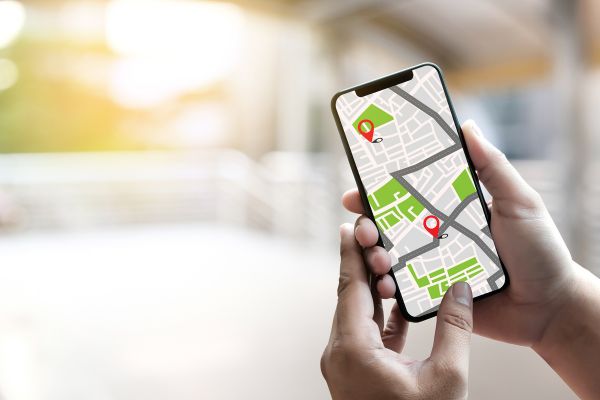
The modern world runs on location data more than most people realize. From delivery vans arriving within precise time windows to parents checking whether a teenager made it home safely, GPS tracking systems have quietly become part of everyday life. They operate in the background, often unnoticed, yet they influence transportation, logistics, security, and even personal convenience in ways that would have seemed futuristic only a couple of decades ago.
At their core, GPS tracking systems are tools designed to determine and transmit location information. But the technology surrounding them has evolved far beyond simple map coordinates. Today’s systems connect with cloud software, telematics platforms, mobile apps, and vehicle diagnostics to create a detailed picture of movement, behavior, and efficiency.
Understanding how these systems work — and why they matter — offers a clearer view into how navigation and connected mobility continue to reshape industries and daily routines alike.
Understanding the Basics of GPS Technology
The term GPS stands for Global Positioning System, a satellite-based navigation network originally developed for military applications before becoming widely accessible for civilian use. The system relies on a constellation of satellites orbiting Earth, continuously transmitting signals that GPS-enabled devices receive and interpret.
A GPS receiver calculates its position by measuring the time it takes for signals from multiple satellites to reach the device. Once enough satellite data is gathered, the receiver determines precise coordinates, usually within a few meters of accuracy.
GPS tracking systems build on this process by combining location detection with data transmission. Instead of merely identifying a location for the person holding the device, the system sends that information elsewhere — often to software platforms, fleet managers, or mobile applications.
That simple difference transforms GPS from a navigation tool into a real-time tracking solution.
How GPS Tracking Systems Actually Work
Most modern GPS tracking systems contain three primary components: the GPS receiver, a communication network, and a software platform.
The receiver determines the location. The communication module — usually cellular, satellite, or radio-based — transmits the data. The software then organizes the information into something readable, such as maps, movement histories, alerts, or analytics dashboards.
In vehicle telematics, the process becomes even more sophisticated. Tracking devices can connect directly to onboard systems, collecting details such as speed, fuel consumption, engine diagnostics, idle time, braking behavior, and route efficiency.
This combination of navigation and operational data is what makes telematics especially valuable. Businesses no longer rely only on knowing where a vehicle is; they also gain insight into how it is being driven and maintained.
It’s less about dots moving across a screen and more about understanding patterns.
The Growing Role of GPS Tracking in Transportation
Transportation industries were among the earliest adopters of GPS tracking systems, and the impact has been substantial. Logistics companies now manage large fleets with remarkable precision, optimizing delivery routes and reducing wasted fuel.
Long-haul trucking operations use telematics systems to monitor driver hours, vehicle conditions, and shipment timing. Public transit authorities track buses and trains in real time, allowing passengers to estimate arrival times with surprising accuracy.
Even ride-sharing platforms depend almost entirely on GPS infrastructure. Without continuous location updates, matching drivers and passengers efficiently would become nearly impossible.
What’s interesting is how quickly consumers adapted to this level of visibility. Real-time tracking, once considered advanced, is now often expected. People want to see where their package is, how long their food delivery will take, and whether traffic congestion might delay their commute.
GPS tracking systems helped create that expectation.
Fleet Management and Operational Efficiency
Fleet management is one of the areas where telematics delivers the clearest measurable benefits. Businesses operating service vehicles, delivery vans, taxis, or construction equipment often face high operating costs tied to fuel, maintenance, and scheduling inefficiencies.
GPS-based fleet systems allow managers to identify unnecessary idling, inefficient routing, and risky driving behavior. Over time, small improvements across dozens or hundreds of vehicles can significantly reduce expenses.
There’s also a safety component. Speed alerts, harsh braking notifications, and driver performance monitoring encourage more responsible driving habits. Some organizations even use telematics data as part of driver training programs.
Maintenance scheduling becomes more predictable as well. Instead of waiting for breakdowns, systems can monitor engine diagnostics and mileage to recommend servicing before serious issues develop.
In practice, GPS tracking systems are not just about location anymore. They function as operational intelligence tools.
Personal Use and Everyday Applications
While commercial fleet tracking often receives the most attention, personal GPS tracking has expanded rapidly in recent years. Smartphones, wearable devices, and compact trackers have introduced location monitoring into everyday routines.
Parents sometimes use tracking apps to monitor children during school commutes. Travelers rely on navigation systems in unfamiliar cities. Outdoor enthusiasts use GPS devices during hiking or camping trips where mobile coverage may be unreliable.
Pet trackers have become increasingly common too, especially for owners of dogs that tend to wander. Tiny GPS modules attached to collars can help locate missing animals surprisingly quickly.
Vehicle theft recovery is another major application. Hidden tracking devices allow owners or authorities to trace stolen vehicles in real time, often improving recovery rates substantially.
What once required bulky hardware now fits easily into a pocket or smartwatch.
The Connection Between GPS and Telematics
The terms GPS tracking and telematics are sometimes used interchangeably, though they are not exactly the same thing.
GPS tracking focuses primarily on location data. Telematics expands beyond that by combining telecommunications, vehicle diagnostics, analytics, and sensor integration.
A telematics system may include GPS positioning, but it also gathers information from engine control units, accelerometers, fuel sensors, and onboard computers. This broader data ecosystem helps organizations understand performance trends and operational risks.
Insurance companies, for example, increasingly use telematics to evaluate driving behavior. Usage-based insurance models may factor in speed consistency, braking patterns, nighttime driving frequency, and mileage totals.
Construction companies use telematics to monitor heavy machinery usage and prevent unauthorized operation. Agricultural equipment manufacturers integrate GPS-guided systems for precision farming, helping farmers improve planting accuracy and reduce waste.
The technology keeps branching into new sectors because movement data has become deeply valuable.
Privacy Concerns and Ethical Questions
As GPS tracking systems become more widespread, concerns surrounding privacy continue to grow. Location data can reveal surprisingly personal details about routines, habits, workplaces, medical visits, and social behavior.
That creates ethical and legal questions about consent, transparency, and data security.
Employers using fleet monitoring systems must balance operational oversight with employee privacy expectations. Parents tracking teenagers may struggle with similar concerns around independence and trust.
There’s also the issue of data storage. Many GPS platforms store historical location information for months or years. If poorly secured, that information could potentially be misused or exposed.
Regulations regarding location tracking vary across countries and industries, but public awareness has increased considerably. People increasingly want to know who collects their data, how long it is retained, and whether it is shared with third parties.
Technology rarely advances without trade-offs, and GPS tracking is no exception.
GPS Accuracy and Common Limitations
Despite impressive advances, GPS tracking systems are not flawless. Signal interference can affect accuracy, especially in dense urban areas with tall buildings or underground environments like tunnels and parking structures.
Weather conditions usually have minimal impact, but physical obstructions can weaken satellite communication. Battery limitations also remain a challenge for portable tracking devices.
In rural or remote regions, data transmission may become unreliable if cellular coverage is weak. Satellite-based communication systems help address this issue, though they are typically more expensive.
Accuracy also varies depending on hardware quality. Consumer-grade trackers often provide adequate positioning for everyday use, while industrial or scientific applications may require far greater precision.
Still, for most real-world purposes, modern GPS systems are remarkably dependable compared to earlier generations.
The Future of GPS Tracking Systems
The next phase of GPS tracking systems will likely involve even deeper integration with artificial intelligence, autonomous transportation, and connected infrastructure.
Smart cities already use traffic data from GPS-enabled devices to improve congestion management and transportation planning. Autonomous vehicles depend heavily on highly accurate navigation systems combined with sensors and real-time mapping.
Meanwhile, advances in low-power hardware are making trackers smaller and more energy efficient. Wearable safety devices for elderly individuals, lone workers, and medical patients are becoming increasingly sophisticated.
There is also growing interest in predictive analytics. Instead of merely showing where something is, future telematics systems may predict where delays, mechanical failures, or safety risks are likely to occur before they happen.
That shift from reactive monitoring to predictive intelligence could redefine how industries use movement data altogether.
Conclusion
GPS tracking systems have evolved far beyond their early navigation roots. They now influence transportation, logistics, personal safety, fleet operations, insurance models, and countless everyday services that people rely on without much thought.
What makes the technology fascinating is not just its ability to pinpoint location, but its ability to transform raw movement into meaningful insight. A vehicle route becomes an efficiency study. A delivery path becomes customer transparency. A wearable tracker becomes peace of mind.
At the same time, the growing presence of location tracking raises important conversations about privacy, ethics, and responsible data use. Like many modern technologies, its value depends largely on how thoughtfully it is implemented.
As navigation systems, telematics platforms, and connected devices continue evolving together, GPS tracking systems will likely remain at the center of how people, vehicles, and information move through the world.