
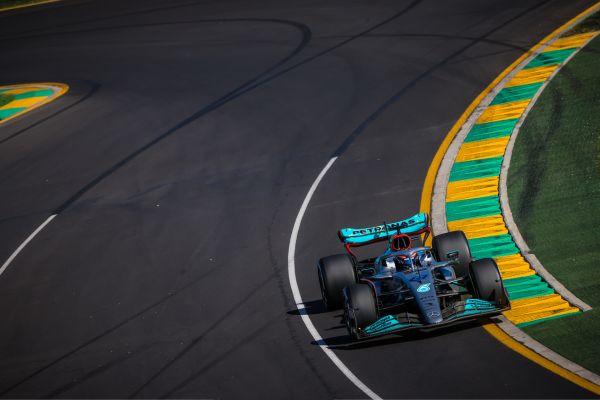
The Thrill and Essence of F1 Racing
There’s something almost hypnotic about F1 Racing. The roar of engines, the blur of color at over 300 km/h, the razor-thin margins between victory and defeat—it all combines into one of the most intense sporting experiences on the planet. Known officially as Formula One, F1 isn’t just a sport; it’s a constantly evolving showcase of speed, engineering, and human precision.
At its core, F1 Racing is about pushing limits—of machines, of drivers, and sometimes even of physics itself. Each race is a story, unfolding corner by corner, lap by lap.
A Brief History of F1 Racing
The roots of modern F1 Racing stretch back to the mid-20th century, when the first official championship began in 1950. Over the decades, the sport has transformed dramatically—from raw, dangerous racing with minimal safety measures to a highly regulated, technology-driven competition.
Legends like Ayrton Senna and Michael Schumacher helped define entire eras, bringing not only skill but personality and emotion into the sport. Today, names like Lewis Hamilton and Max Verstappen carry that legacy forward, blending experience with a new generation’s fearless aggression.
What’s remarkable is how F1 Racing has managed to stay relevant—constantly adapting to new technologies, environmental concerns, and global audiences.
How F1 Racing Actually Works
Understanding F1 Racing goes beyond just watching cars circle a track. It’s a complex system where engineering, strategy, and driver skill intersect.
Each race weekend typically includes practice sessions, qualifying, and the main race. Qualifying determines the starting grid, which can heavily influence race outcomes. Starting at the front often means a strategic advantage, but nothing is ever guaranteed.
Cars themselves are marvels of engineering. Built with lightweight materials and powered by hybrid engines, they are designed to maximize both speed and efficiency. Aerodynamics plays a huge role—tiny adjustments in wing angles can mean the difference between winning and finishing mid-pack.
Then there’s race strategy. Teams must decide when to pit, which tires to use, and how to respond to changing conditions. A well-timed pit stop or a bold strategy call can completely change the race.
The Role of Drivers in F1 Racing
Drivers are often seen as the stars of F1 Racing, and for good reason. Sitting inside a cockpit that feels more like a fighter jet than a car, they endure intense G-forces, extreme heat, and relentless pressure.
But driving fast is only part of the job. Drivers must manage tire wear, communicate constantly with their teams, and make split-second decisions at incredible speeds. One small mistake—just a fraction of a second too late on the brakes—can end a race.
What sets great drivers apart is not just speed, but consistency and mental strength. The ability to stay calm under pressure, to adapt to changing conditions, and to seize opportunities when they appear—that’s what defines champions in F1 Racing.
Iconic Circuits That Define F1 Racing
F1 Racing takes place on some of the most iconic tracks in the world, each with its own character and challenges.
The streets of Circuit de Monaco are tight and unforgiving, where precision matters more than outright speed. Meanwhile, Silverstone Circuit offers high-speed corners that test both car and driver to the limit.
Then there’s Circuit de Spa-Francorchamps, known for its unpredictable weather and legendary corners, and Autodromo Nazionale Monza, often called the “Temple of Speed.”
Each circuit tells a different story, and mastering them is a key part of success in F1 Racing.
Technology and Innovation in F1 Racing
One of the most fascinating aspects of F1 Racing is its role as a testing ground for new technologies. Innovations developed in F1 often find their way into everyday road cars over time.
Hybrid engines, energy recovery systems, and advanced materials are all part of the sport’s technological landscape. Teams invest heavily in research and development, constantly seeking even the smallest advantage.
Data plays a massive role as well. During a race, teams monitor thousands of data points in real time, from tire temperatures to fuel consumption. This information helps them make critical decisions that can influence the outcome of the race.
It’s this blend of cutting-edge technology and human intuition that makes F1 Racing so unique.
The Global Appeal of F1 Racing
F1 Racing is truly a global sport. Races are held across multiple continents, attracting millions of fans both at the track and watching from home.
What draws people in is not just the racing itself, but the drama surrounding it. Rivalries, team dynamics, unexpected twists—there’s always something happening. One race can completely change the trajectory of a season.
In recent years, the sport has also become more accessible to new audiences, with behind-the-scenes content offering a deeper look into the lives of drivers and teams. This has helped F1 Racing grow its fanbase and connect with a wider audience.
Safety Evolution in F1 Racing
F1 Racing hasn’t always been as safe as it is today. In earlier decades, the risks were much higher, and accidents often had serious consequences.
Today, safety is a top priority. Advances such as the halo device, improved crash structures, and stricter regulations have significantly reduced risks. While the sport will always carry an element of danger, these measures ensure that drivers are better protected than ever before.
It’s a testament to how far F1 Racing has come—balancing speed and safety in a way that allows the sport to thrive.
The Strategy Behind Every Race
Every F1 race is like a high-speed chess match. Teams must anticipate not only their own moves but also those of their competitors.
Weather conditions, tire degradation, and even safety car deployments can all influence strategy. A sudden rain shower can turn the race upside down, forcing teams to adapt quickly.
Sometimes, the most exciting moments in F1 Racing come not from overtakes on track, but from strategic decisions made behind the scenes.
The Future of F1 Racing
Looking ahead, F1 Racing continues to evolve. Sustainability is becoming a major focus, with efforts to reduce carbon emissions and develop more environmentally friendly technologies.
At the same time, the sport is working to maintain its core appeal—speed, competition, and innovation. Balancing tradition with progress is no easy task, but it’s one that F1 has managed remarkably well so far.
New regulations, new talent, and new technologies will shape the future, ensuring that F1 Racing remains as exciting as ever.
Conclusion
F1 Racing is more than just a sport—it’s a dynamic blend of speed, strategy, and innovation. From its rich history to its cutting-edge technology, it offers something for everyone, whether you’re a lifelong fan or just discovering it for the first time.
What makes F1 truly special is its ability to evolve while staying true to its essence. The thrill of competition, the pursuit of excellence, and the stories that unfold on and off the track—these are the elements that keep fans coming back, race after race.
In the end, F1 Racing isn’t just about who crosses the finish line first. It’s about the journey, the challenges, and the relentless drive to go faster than ever before.