
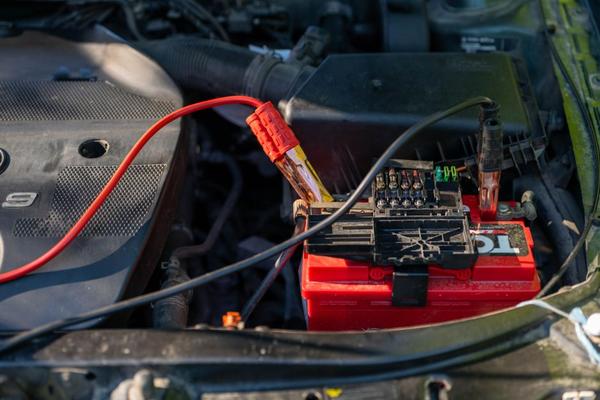
Reconnecting a car battery looks like a two-clamp job, but the order matters. Whether you have cleaned corrosion, fitted a replacement or disconnected power to investigate an electrical fault, careful reconnection helps prevent short circuits and problems with vehicle electronics.
The essential rule is simple: connect the positive (+) terminal first, then the negative (−) terminal. Here is how to reconnect a car battery safely, what to check before starting the engine and which settings might need attention afterwards.
Which Battery Terminal Should You Connect First?
For a conventional 12-volt battery in a negative-ground vehicle, the correct connect car battery order is positive first, negative last. This reverses the removal sequence: negative first, positive last.
With the negative cable still disconnected, the car’s metal body is not connected to the battery’s negative post. If your wrench touches bodywork while tightening the positive clamp, it is less likely to complete a dangerous circuit. Connecting the negative lead last completes the circuit. Never bridge the battery posts with a metal tool.
Battery positive terminal first is a useful rule, but consult the owner’s manual for model-specific instructions. This guide covers ordinary 12-volt batteries, not the high-voltage packs in hybrid or electric vehicles.
Prepare Before Reconnecting
Park on level ground, apply the parking brake and switch off the ignition, lights and accessories. Keep flames, cigarettes and sparks away. Wear eye protection and gloves, remove metal jewellery and work in a ventilated area.
Find the + and − markings on the battery case. Red normally identifies positive and black identifies negative, but never rely on cable colour alone. If you install a car battery, confirm its size, type, specifications and terminal arrangement match the vehicle.
Inspect the case for cracks, swelling or leaks. Never reconnect a damaged battery. Check that the tray and contact surfaces are clean and dry. Clean heavy corrosion with the cables disconnected, following appropriate battery-cleaning precautions.
How to Reconnect a Car Battery Step by Step
1. Secure the Battery
Seat the battery upright in its tray and reinstall its hold-down bracket. It should not move when gently checked. Reattach any specified vent tube. A loose battery can shift during driving and place strain on the connections.
2. Confirm Polarity and Cable Position
Keep both cable clamps separated from the posts. Check that the positive lead naturally reaches the + post and the negative lead reaches the − post. If the leads must be stretched or crossed to fit, stop and verify that the battery has the correct terminal layout.
3. Connect the Positive Clamp
Push the positive clamp fully onto the positive post. Tighten its fastener with the appropriate tool, following the manufacturer’s torque specification where available. The clamp should not rotate by hand, but overtightening can damage the post.
Keep your wrench away from the vehicle body and negative terminal. Never hammer or lever a clamp into position. Once secure, refit the positive terminal’s insulating cover if equipped.
4. Connect the Negative Clamp
Place the negative clamp on the negative post and tighten it securely. A tiny spark may occur as electronics receive power. Significant arcing, smoke, unusual heat or a burning smell means you should stop and seek professional assistance. Never proceed if polarity is uncertain.
5. Check the Installation
Confirm that both clamps are seated, the hold-down is secure, cables are clear of belts and pulleys, and the positive cover is back in place. Remove all tools from the engine bay before turning on the ignition.
What Happens After You Reconnect the Battery?
Many cars start normally. Others lose settings while power is disconnected. Check the dashboard for persistent warnings and test the lights and accessories. The owner’s manual is the best source for any required initialisation steps.
You may need to reset the clock, restore radio presets, enter a radio security code or relearn the automatic window function. Some vehicles also require steering-angle calibration or time for engine-idle settings to relearn. Avoid using reset procedures intended for another model.
Reconnecting the same battery differs from fitting a new one. Some modern battery management systems require registration or coding after replacement, particularly if battery capacity or technology changes. Attaching the cables does not perform that registration. Arrange the correct diagnostic procedure when required.
A Real-World Example: After Cleaning Corrosion
Suppose your car cranked slowly and you noticed a powdery deposit around a battery clamp. You disconnected the battery, cleaned the terminal and reconnected it positive first. The car now starts strongly. That suggests the connection may have contributed to the problem, but it does not prove the battery is healthy.
With the engine off, inspect the clamp again. If slow starting returns, have the battery and charging system tested rather than repeatedly tightening the connection. Guides to safe battery removal, cleaning battery terminals and testing battery health can help you investigate the underlying cause.
Common Mistakes to Avoid
Connecting the negative cable first is a common error. On a typical negative-ground car, this connects the body to the battery before you handle the positive terminal, increasing the risk if your tool touches both positive and grounded metal.
Another mistake is assuming any battery that fits the tray is suitable. Its terminal position, capacity and technology must match the vehicle’s requirements, especially on stop-start models. Also avoid leaving the hold-down loose or skipping a protective terminal cover.
Do not confuse reconnecting a battery with jump-starting; jumper cables have their own connection sequence. For vehicles with unusual electrical layouts or manufacturer-specific isolation procedures, follow the service manual or use a qualified technician.
Frequently Asked Questions
Do you connect red or black first when reconnecting a battery?
On a typical negative-ground 12-volt car, connect the red positive (+) cable first and the black negative (−) cable second. Verify the markings rather than relying on colours.
Can disconnecting and reconnecting the battery reset a car’s computer?
Yes, some learned settings and convenience features may be lost. Reconnection restores power, but certain systems need time or a model-specific reset. A newly installed battery may also require registration.
What if the car will not start afterwards?
Switch off the ignition and verify polarity and clamp security. A discharged battery, faulty connection or charging-system issue may need diagnosis. Avoid repeated attempts if the engine struggles to crank.
Is a small spark at the negative terminal normal?
A brief small spark can occur when electronics draw power. Heavy sparks, heat, smoke or a burning smell are not normal. Stop and have the installation checked.
Final Checks Before You Drive
Safe reconnection is more than remembering positive before negative. Secure the battery, verify both terminals, tighten the clamps correctly, replace protective covers and check that the car’s electronics behave normally. Those simple checks help prevent an avoidable short circuit or a loose connection on your next journey.