
A Small Scratch Can Feel Bigger Than It Looks
There is something oddly frustrating about spotting a scratch on your car. It may be tiny, barely visible from a few steps away, but once you notice it, your eyes keep returning to the same mark. Maybe it came from a tight parking space, a low branch, a careless key, or grit caught in a cloth during a quick wash. Whatever the cause, the good news is that many light scratches can be improved at home with patience, the right materials, and a realistic understanding of what you are dealing with.
Learning how to remove car scratches starts with knowing that not every scratch is the same. Some sit only on the surface, while others cut through layers of paint. The method that works beautifully on a faint swirl mark may do very little for a deep groove. Before reaching for polish or touch-up paint, take a closer look.
Understanding the Layers of Car Paint
Modern car paint is usually made up of several layers. At the bottom is the metal or plastic panel. Above that sits primer, then the color coat, and finally the clear coat. The clear coat is the transparent protective layer that gives the paint its shine and shields it from sun, rain, dirt, and mild abrasion.
Most light scratches affect only the clear coat. These are the marks that often appear around door handles, on the hood, or after using rough towels at a car wash. They may look white or cloudy under sunlight, but they do not expose the actual paint underneath.
Deeper scratches go through the clear coat and into the color coat. These are more noticeable because they break the smooth appearance of the paint. If the scratch reaches primer or bare metal, it becomes more serious. At that point, the issue is not only appearance but also long-term protection, especially if the exposed area can rust.
Checking How Deep the Scratch Is
A simple way to judge a scratch is to gently run your fingernail across it. If your nail does not catch, the scratch is likely shallow and may respond well to polishing. If your nail catches slightly, the scratch may be deeper but still repairable with more care. If it feels like a groove, or you can see a different color underneath, it may need touch-up paint or professional repair.
Light also tells you a lot. Park the car in a shaded area and inspect the scratch from different angles. Direct sunlight can make marks look worse, while poor lighting can hide damage. Cleaning the area first is important because dirt and residue can make a mark appear deeper than it really is.
Start With a Proper Wash
Before trying any scratch removal method, wash the damaged area thoroughly. This sounds basic, but it matters. Dust, sand, and road grime can create more scratches if you start rubbing polish into dirty paint.
Use clean water, a mild car shampoo, and a soft microfiber wash mitt. Work gently over the scratched panel, then rinse well. After that, dry the area with a clean microfiber towel. Avoid old bath towels, paper towels, or rough cloths, as they can leave fine marks of their own.
Once the surface is clean and dry, you can see the scratch more clearly. Sometimes what looked like a scratch may turn out to be paint transfer from another object. Paint transfer often sits on top of the clear coat and can be much easier to remove than an actual scratch.
Removing Light Scratches With Car Polish
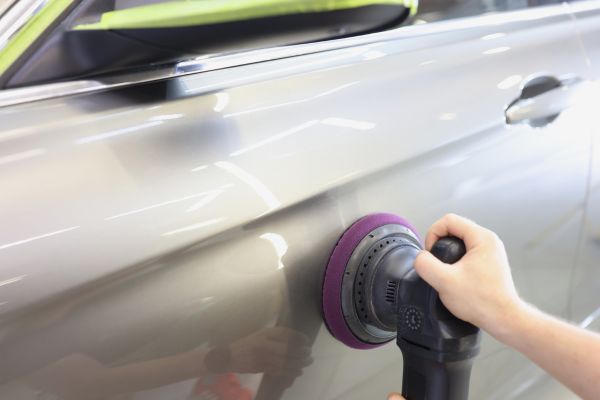
For shallow clear-coat scratches, car polish or a mild scratch remover is often enough. These products work by gently leveling the clear coat around the scratch, reducing the way light catches the damaged line. The goal is not to “fill” the scratch as much as to blend the surface so it looks smooth again.
Apply a small amount of polish to a clean microfiber applicator pad. Work it into the scratched area using light to moderate pressure and small circular motions. Keep the working area small, perhaps a few inches around the scratch. After a short time, wipe away the residue with a clean microfiber towel and inspect the result.
It is better to repeat the process gently than to attack the paint aggressively in one attempt. Clear coat is protective, but it is not endless. Too much pressure or too much polishing can thin it out, especially on older paint.
Using Scratch Remover Compounds Carefully
A scratch remover compound is usually a little stronger than regular polish. It can help with more visible clear-coat scratches, but it should still be used carefully. Think of it as controlled abrasion. You are smoothing the surface, not scrubbing a stain from a kitchen counter.
Apply the compound in a small amount and follow the product’s directions. Work slowly, keep the pad clean, and avoid letting the compound dry hard on the paint. Once the scratch becomes less visible, stop. Many people make the mistake of chasing perfection and end up dulling the area around the scratch.
After using a compound, the paint may look slightly hazy. A finishing polish can help restore gloss. Finally, applying wax or paint sealant adds a layer of protection and brings back some depth to the finish.
What Toothpaste Can and Cannot Do
Toothpaste is often mentioned as a home remedy for car scratches. It can sometimes reduce very light surface marks because it contains mild abrasives. However, it is not designed for automotive paint, and the results can be uneven.
If you use toothpaste, it should only be on very minor marks, and only with a soft cloth and gentle pressure. It may help with scuffs or faint surface haze, but it will not repair deep scratches. For most cars, a proper automotive polish is a safer and more predictable choice.
Dealing With Paint Transfer
Paint transfer happens when another painted surface rubs against your car and leaves color behind. This may occur after brushing against a painted post, another bumper, or a garage wall. It can look dramatic, but if your own paint underneath is not damaged, the fix may be simple.
After washing the area, use a mild polish or scratch remover on a microfiber cloth. Work gently over the transferred paint. Often, the foreign paint begins to fade or lift. Once removed, inspect the area for actual scratches underneath. If the clear coat is intact, polishing and waxing may be all you need.
Repairing Deeper Scratches With Touch-Up Paint
When a scratch cuts into the color coat, polishing alone will not restore the missing paint. This is where touch-up paint comes in. The best match usually comes from your car’s paint code, which can often be found on a plate or sticker inside the door jamb, under the hood, or in the owner’s manual.
Clean the scratch well and make sure the area is dry. If the scratch is narrow, apply touch-up paint carefully with a fine brush or applicator. The aim is to place paint only inside the scratch, not all around it. Let it dry according to the instructions. Some repairs may also need a clear coat layer on top.
Touch-up paint can greatly improve the look of a deeper scratch, but it may not become invisible. The repair depends on the depth, location, color, and how steady your hand is. Dark and metallic paints can be a little less forgiving, especially under bright light.
When Sanding Is Not a Beginner Job
Wet sanding is sometimes used to level touch-up paint or remove deeper clear-coat defects. While it can produce excellent results in skilled hands, it is risky for beginners. Sandpaper can cut through clear coat quickly, and once that happens, the repair becomes more complicated and expensive.
If the scratch is large, deep, or in a very visible area, it may be wiser to avoid sanding at home. A professional detailer or body shop can judge whether the damage needs polishing, paint correction, or repainting. Paying for expert repair can make sense when the scratch affects a newer car, a luxury finish, or a panel with complex curves.
Protecting the Area After Repair
Once the scratch looks better, protect the paint. Polishing and compounds can remove old wax, leaving the surface exposed. Apply a quality car wax, sealant, or ceramic-style spray protection after the repair. This helps shield the paint from water, sunlight, and future light marks.
Good washing habits also prevent new scratches. Use clean microfiber towels, rinse dirt off before washing, and avoid dry-wiping dusty paint. Many fine scratches come not from accidents, but from everyday cleaning done too quickly.
Knowing When to Call a Professional
Home scratch repair works best for light to moderate surface damage. If the scratch exposes metal, spreads across a large panel, shows rust, or sits on a sharp body line, professional help is usually the better path. A trained technician can blend paint, correct clear coat, and protect the panel properly.
There is no shame in stopping before a repair gets worse. Sometimes the smartest DIY move is knowing the limit.
A Patient Approach Gives the Best Result
How to remove car scratches is really a lesson in patience. Start by identifying the depth, clean the area properly, and choose the mildest method that has a chance of working. Light scratches often respond well to polish. Paint transfer may come off more easily than expected. Deeper marks may need touch-up paint, and serious damage may need professional attention.
A scratch can be annoying, but it does not always mean a costly repair. With a careful hand and a calm approach, many marks can be softened, blended, or made far less noticeable at home. The key is to respect the paint, work slowly, and remember that improving the finish is often a better goal than forcing perfection.