
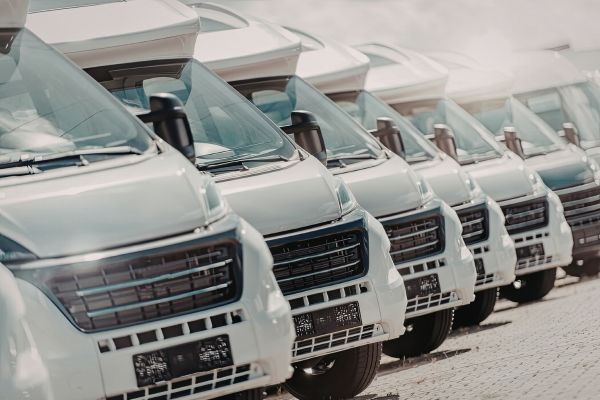
There’s something quietly fascinating about fleet vehicles. They rarely get the spotlight that flashy sports cars or luxury SUVs enjoy, yet they keep entire industries moving. From delivery routes at dawn to late-night service calls, the best fleet vehicles carry the rhythm of modern business on their wheels. Choosing the right ones isn’t just a logistical decision—it’s a long-term investment in reliability, efficiency, and daily practicality.
As 2026 unfolds, the conversation around fleet vehicles has shifted. It’s no longer just about fuel economy or upfront cost. Technology, sustainability, driver comfort, and adaptability now play equally important roles. The best fleet vehicles today are those that blend durability with smart design, quietly making workdays smoother.
What Defines the Best Fleet Vehicles Today
The idea of “best fleet vehicles” has evolved. A decade ago, durability and fuel efficiency might have been enough. Now, expectations are higher.
Fleet managers look for vehicles that can handle varied workloads without frequent downtime. Maintenance intervals matter. So does access to parts and service networks. A vehicle that sits idle waiting for repairs quickly becomes a liability.
Driver experience is another subtle but growing factor. Long hours behind the wheel demand comfortable seating, intuitive controls, and reduced fatigue. Even small details—like visibility or cabin noise—can influence productivity over time.
Technology also shapes the modern fleet. Integrated navigation, telematics systems, and driver-assist features help businesses track performance and improve safety. These features don’t always stand out in brochures, but they make a noticeable difference in everyday use.
The Rise of Electric Fleet Vehicles
One of the most noticeable changes in recent years is the steady rise of electric fleet vehicles. Companies are exploring alternatives to traditional fuel-powered vans and trucks, not just for environmental reasons but for operational efficiency.
Electric vehicles offer lower running costs in many cases. Fewer moving parts mean less wear and tear, and charging infrastructure continues to expand. For urban delivery routes, where vehicles return to a central hub each day, electric options are becoming increasingly practical.
Models like the Ford E-Transit and the Rivian EDV have started to redefine expectations. They bring familiar functionality with a quieter, smoother driving experience.
Still, electric fleets aren’t a one-size-fits-all solution. Long-distance operations or areas with limited charging infrastructure may still rely on traditional engines. The best fleet vehicles often depend on matching the right technology to the right job.
Reliable Cargo Vans for Everyday Operations
Cargo vans remain the backbone of many fleets, especially in delivery, logistics, and service industries. Their enclosed space, manageable size, and versatility make them indispensable.
The Ford Transit continues to be a popular choice. It offers multiple configurations, allowing businesses to tailor the interior to their specific needs. Whether it’s shelving, refrigeration units, or tool storage, adaptability is key.
Similarly, the Mercedes-Benz Sprinter has built a reputation for durability and long-distance comfort. It’s often favored for operations that require extended driving hours or specialized conversions.
What makes these vehicles stand out isn’t just their cargo capacity. It’s their ability to handle daily wear without constant issues. In a fleet environment, consistency often matters more than standout performance.
Pickup Trucks That Balance Strength and Versatility
For industries that require both hauling power and flexibility, pickup trucks remain essential. They bridge the gap between heavy-duty capability and everyday usability.
The Ford F-150 has long been a staple in fleet operations. Its balance of power, efficiency, and modern features makes it suitable for a wide range of tasks. From construction sites to utility services, it adapts easily.
Another strong contender is the Toyota Hilux, known globally for its resilience. It’s often associated with reliability in challenging environments, which explains its popularity in rugged or remote operations.
Pickup trucks shine in their versatility. They can transport equipment, tow trailers, and still navigate urban areas without feeling oversized. For many businesses, that flexibility is hard to replace.
Compact Fleet Vehicles for Urban Efficiency
Not every fleet needs large vans or trucks. In dense urban environments, smaller vehicles often make more sense.
Compact vans and cars are easier to park, consume less fuel, and navigate tight streets with ease. For businesses focused on city deliveries or quick service calls, these vehicles can significantly improve efficiency.
The Ram ProMaster City is one example that balances cargo space with maneuverability. It’s particularly useful for short routes where agility matters more than maximum capacity.
In some cases, even traditional passenger cars find a place in fleets. They’re used for inspections, administrative travel, or light-duty tasks where a full cargo setup isn’t necessary.
Safety and Technology in Modern Fleets
Safety features have become a defining factor in choosing the best fleet vehicles. Modern systems do more than protect drivers—they help prevent incidents altogether.
Advanced driver-assistance features like lane-keeping support, adaptive cruise control, and automatic emergency braking are increasingly common. These technologies reduce driver fatigue and improve overall safety, especially during long shifts.
Telematics systems also play a crucial role. They allow businesses to monitor vehicle performance, track routes, and identify inefficiencies. Over time, this data helps refine operations in subtle but meaningful ways.
The best fleet vehicles aren’t just machines; they’re part of a connected system that supports smarter decision-making.
Fuel Efficiency and Total Cost of Ownership
It’s tempting to focus on the purchase price of a vehicle, but fleets operate on a different logic. The real cost reveals itself over time.
Fuel efficiency remains a major consideration, particularly for vehicles covering long distances. Even small improvements in mileage can lead to significant savings across an entire fleet.
Maintenance costs also shape long-term value. Vehicles that require frequent repairs or specialized parts can quickly become expensive to maintain. Reliability, in this context, is more than a convenience—it’s a financial advantage.
The best fleet vehicles are those that strike a balance. They may not always be the cheapest upfront, but they prove their worth through consistent performance and manageable operating costs.
Adapting Fleet Choices to Industry Needs
No single vehicle can meet every requirement. The definition of the best fleet vehicles changes depending on the industry.
Delivery services prioritize cargo space and efficiency. Construction companies need durability and towing capacity. Service-based businesses look for accessibility and organization within the vehicle.
Understanding these differences is essential. A well-matched fleet feels almost invisible in its operation—it simply works, day after day, without drawing attention to itself.
Looking Ahead to the Future of Fleet Vehicles
The future of fleet vehicles is shaping up to be more dynamic than ever. Electric options will likely continue to expand, and hybrid solutions may bridge the gap for businesses not ready to fully transition.
Autonomous features, while still developing, hint at a future where vehicles assist drivers in more advanced ways. Connectivity will deepen, turning fleets into data-driven systems rather than isolated units.
Yet, despite all these changes, the core idea remains the same. The best fleet vehicles are those that quietly support the work they’re built for, adapting to new demands without losing sight of reliability.
Conclusion
Choosing the best fleet vehicles for business use in 2026 isn’t about chasing trends or picking the most advanced model on paper. It’s about understanding the daily realities of the work being done and selecting vehicles that fit naturally into that rhythm.
From electric vans redefining urban delivery to dependable pickups handling demanding tasks, today’s fleet options are more diverse than ever. Each vehicle brings its own strengths, and the real challenge lies in matching those strengths to specific needs.
In the end, the best fleet vehicles are the ones that feel dependable without being noticed too much. They start every morning, handle the day’s demands, and return ready for tomorrow. And in a world that moves as quickly as ours, that kind of quiet reliability is exactly what keeps everything running.