
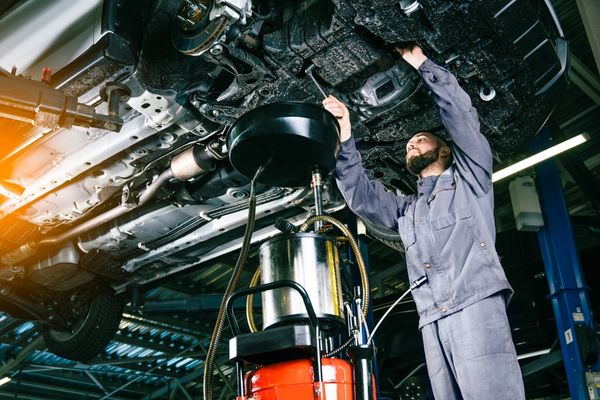
In an era of advanced engines, synthetic lubricants, and dashboard warning lights, it’s easy to assume that oil changes have become a minor detail in vehicle ownership. Yet the opposite is true. Routine oil maintenance remains one of the most important factors in keeping a car reliable, efficient, and long-lasting. For drivers thinking about an oil change Bowling Green, the decision is less about ticking off a maintenance checklist and more about protecting an investment that’s relied on every single day.
Oil is the lifeblood of an engine. It lubricates moving parts, reduces friction, carries away heat, and traps contaminants that would otherwise cause premature wear. When oil breaks down or becomes dirty, those protective qualities fade quickly. What begins as skipped maintenance can quietly evolve into expensive repairs that could have been avoided with timely care.
Understanding How Oil Works Inside Modern Engines
Modern engines are marvels of engineering, designed with tight tolerances and high operating temperatures. Oil must perform under constant stress, flowing smoothly when cold and remaining stable when hot. Over time, heat, pressure, and contamination from combustion byproducts degrade oil’s effectiveness.
As oil ages, it thickens or thins unpredictably, collects metal particles, and loses its ability to properly coat engine components. This degradation increases friction, which in turn raises engine temperature and accelerates wear. Even high-quality synthetic oils eventually reach a point where they can no longer do their job effectively.
Regular oil changes restore that protective layer, giving engines the clean lubrication they need to perform as designed. It’s not just about cleanliness; it’s about maintaining balance inside a complex mechanical system.
How Driving Habits in Bowling Green Affect Oil Life
Driving conditions play a major role in how quickly oil degrades. In Bowling Green, a mix of city driving, highway travel, and seasonal temperature shifts can place varied demands on a vehicle. Short trips, common for daily errands or commuting, are particularly hard on oil because the engine may not reach full operating temperature long enough to burn off moisture and contaminants.
Hot summers add another layer of stress. High ambient temperatures increase engine heat, accelerating oil breakdown. Cold winter mornings, on the other hand, require oil to flow quickly at startup, a moment when engines experience the most wear.
These local conditions make it especially important for drivers to stay attentive to oil change intervals rather than relying solely on generalized mileage recommendations. What works in one region or driving pattern may not be ideal in another.
Synthetic vs Conventional Oil and What It Means for Your Car
Choosing the right type of oil is just as important as changing it regularly. Conventional oil, while effective for older engines and certain driving conditions, breaks down more quickly under heat and stress. Synthetic oil is engineered for stability, offering better performance in extreme temperatures and longer intervals between changes.
Many modern vehicles are designed specifically for synthetic or synthetic blends, and using the wrong type can affect performance and efficiency. The choice isn’t about prestige or price; it’s about compatibility with engine design and driving habits.
Understanding what your vehicle requires and why helps ensure that oil changes are doing their job fully, not partially.
The Warning Signs Drivers Often Ignore
Oil problems rarely announce themselves loudly at first. Instead, they show up as subtle changes that are easy to dismiss. Engine noise becomes slightly louder. Fuel efficiency drops without explanation. The oil warning light flickers briefly and then disappears.
By the time oil-related issues become obvious, damage may already be underway. Sludge buildup, increased engine wear, and overheating often begin long before a breakdown occurs. Paying attention to early signals and maintaining a consistent oil change schedule can prevent these quiet problems from becoming major ones.
Routine oil changes aren’t just preventative; they’re diagnostic opportunities. Fresh oil allows mechanics to notice leaks, metal particles, or unusual discoloration that might indicate developing issues.
Oil Changes as a Long-Term Cost-Saving Strategy
It’s tempting to view oil changes as a recurring expense rather than an investment. Yet few maintenance tasks offer such a clear return. Engines that receive consistent oil service tend to last significantly longer, perform more smoothly, and maintain better resale value.
Skipping oil changes may save money in the short term, but it often leads to higher costs down the road. Repairs related to oil neglect, such as timing chain issues, bearing wear, or complete engine failure, are among the most expensive problems a vehicle can face.
When seen through a long-term lens, routine oil service is one of the simplest ways to control ownership costs and extend the usable life of a car.
How Manufacturer Guidelines Fit Into Real Life
Vehicle manufacturers provide oil change intervals based on testing under controlled conditions. While these guidelines are valuable, they don’t always reflect real-world driving habits. Stop-and-go traffic, frequent idling, towing, or extreme temperatures can all shorten oil life.
Many newer vehicles use oil life monitoring systems that adjust recommendations based on driving conditions. While helpful, these systems still rely on assumptions and averages. Understanding how you actually use your vehicle can help you make more informed decisions rather than relying solely on dashboard prompts.
Combining manufacturer guidance with practical awareness leads to smarter maintenance choices.
The Environmental Side of Proper Oil Maintenance
Oil changes also have an environmental dimension that’s often overlooked. Clean, efficient engines burn fuel more completely, producing fewer emissions. Old or degraded oil increases friction, which can reduce efficiency and increase pollution.
Proper disposal and recycling of used oil further reduce environmental impact. When handled responsibly, used oil can be refined and reused, minimizing waste and conserving resources. Staying consistent with oil maintenance supports not only engine health but also broader environmental responsibility.
Choosing Where to Get an Oil Change in Bowling Green
For drivers considering an oil change Bowling Green, the decision often comes down to trust and consistency rather than speed or convenience alone. A good oil service experience isn’t defined by flashy amenities or aggressive upselling. It’s defined by accuracy, attention to detail, and respect for the vehicle.
The best oil change experiences feel routine in the best way possible. The work is done correctly, questions are answered honestly, and the focus remains on the car’s needs rather than unnecessary add-ons. Over time, this consistency builds confidence and makes maintenance less stressful.
A Local Perspective on Routine Maintenance
Near the end of the conversation about oil maintenance, it’s worth noting that many drivers in the area choose to handle an Oil change Bowling Green through trusted local resources, particularly when they value routine service that aligns with manufacturer recommendations and local driving conditions. This kind of option fits naturally into the broader landscape of vehicle care rather than standing apart from it.
A Thoughtful Conclusion on Oil Changes
Oil changes may not be the most exciting aspect of car ownership, but they remain one of the most important. In a place like Bowling Green, where vehicles are relied on for daily life, staying attentive to oil maintenance is a practical act of care.
Rather than viewing oil changes as an obligation, it helps to see them as a quiet form of protection. They preserve performance, prevent unnecessary wear, and keep engines running smoothly through seasons and miles alike. In the end, a well-maintained engine doesn’t just last longer; it makes every drive more reliable, predictable, and stress-free.