
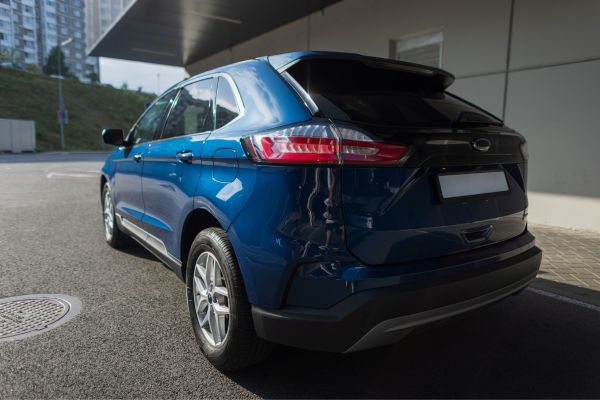
Walk through any modern parking lot and you’ll quickly notice how dominant tall, boxy vehicles have become. Over the last two decades, traditional sedans have steadily lost ground to vehicles that promise more space, better visibility, and the versatility to handle everything from grocery runs to weekend adventures. In this landscape, two categories often get lumped together: SUVs and crossovers.
Yet despite how frequently they’re mentioned in the same breath, the debate around SUVs vs Crossovers remains surprisingly misunderstood. The vehicles may look similar on the outside, but their design philosophies, driving experiences, and practical uses can be quite different. Understanding these distinctions helps make sense of the modern automotive market and why some drivers swear by one over the other.
The Origins of the SUV
To understand the difference between SUVs and crossovers, it helps to start with the original sport utility vehicle. Traditional SUVs evolved from trucks and military-style utility vehicles designed for rugged environments. Early models were built with durability and off-road capability as the priority.
Classic SUVs use a body-on-frame construction, meaning the body of the vehicle sits on a separate steel frame, similar to pickup trucks. This design is strong and capable of handling rough terrain, heavy loads, and towing duties. Vehicles like the Jeep Cherokee from earlier generations or the Toyota Land Cruiser embodied this philosophy.
Because of that truck-like structure, traditional SUVs tend to feel sturdy and powerful. They’re built to tow boats, haul trailers, and navigate muddy trails or rocky paths. Drivers who regularly venture off paved roads often prefer this design because it handles punishment better over time.
However, that same construction can make SUVs heavier and less efficient on everyday roads. They may ride a bit rougher and consume more fuel compared to lighter vehicles.
How Crossovers Entered the Scene
Crossovers appeared as automakers began searching for a way to combine SUV practicality with the comfort and efficiency of passenger cars. The idea was simple: keep the tall ride height and cargo flexibility people liked about SUVs, but build the vehicle on a car platform instead of a truck frame.
This design is known as unibody construction, where the body and frame are integrated into a single structure. It’s the same architecture used by most modern cars.
Because crossovers share many components with sedans or hatchbacks, they usually feel smoother and more refined on the road. Steering tends to be lighter, handling is more predictable, and fuel efficiency is typically better.
In many ways, crossovers reflect how driving habits have changed. Most drivers rarely venture off-road, so automakers prioritized comfort, technology, and everyday usability instead of extreme ruggedness.
Structural Differences That Shape the Driving Experience
The biggest difference in the conversation about SUVs vs Crossovers lies beneath the surface. Construction methods influence nearly everything about how these vehicles behave.
Body-on-frame SUVs feel solid and powerful, particularly when towing or carrying heavy cargo. They’re also better suited for serious off-road conditions because the frame can absorb stress from uneven terrain.
Crossovers, by contrast, are designed for paved roads. Their unibody structure reduces weight and improves stability during normal driving. The result is a vehicle that feels closer to a car behind the wheel.
Drivers transitioning from sedans often find crossovers easier to adapt to because the driving dynamics feel familiar. Traditional SUVs can feel larger and more truck-like, especially in tight urban spaces.
Interior Space and Practicality
Both SUVs and crossovers are known for offering generous interior space, but the way that space is used can differ slightly.
Traditional SUVs typically have higher rooflines and more upright shapes, which can create roomy cabins and large cargo areas. Many also offer strong towing capacity, making them suitable for outdoor gear, campers, or work-related hauling.
Crossovers emphasize flexibility and comfort. Their interiors are often designed with family life in mind, featuring adjustable seating, fold-flat cargo areas, and modern infotainment systems.
Because crossovers share design elements with passenger cars, they sometimes make better use of interior space relative to their size. Passengers often notice a smoother ride and quieter cabin during long highway drives.
Fuel Efficiency and Everyday Driving
Fuel economy is another area where the differences between SUVs and crossovers become clear.
Traditional SUVs, with their heavier frames and larger engines, generally consume more fuel. Their strength and durability come at the cost of efficiency, which may not matter much for drivers who prioritize capability over economy.
Crossovers, being lighter and more aerodynamic, usually perform better when it comes to fuel consumption. Many are equipped with smaller engines or hybrid systems that improve efficiency during daily commuting.
For urban drivers who spend most of their time in traffic or on highways, crossovers often feel like the more practical option.
Off-Road Capability and Terrain Handling
If the road suddenly disappears and turns into a muddy trail, the difference between SUVs and crossovers becomes obvious.
Traditional SUVs excel in challenging environments. Their higher ground clearance, stronger frames, and advanced four-wheel-drive systems make them capable of handling rough terrain, steep inclines, and uneven surfaces.
Many crossovers offer all-wheel drive systems that improve traction in rain or snow, but they aren’t usually designed for serious off-roading. Their suspension systems and structural design prioritize road comfort rather than extreme durability.
For drivers who regularly explore remote trails or rural landscapes, traditional SUVs still hold a clear advantage.
The Role of Design and Market Trends
In recent years, the automotive market has leaned heavily toward crossovers. Their blend of comfort, practicality, and modern styling has made them the preferred choice for many families and commuters.
Automakers have responded by expanding crossover lineups dramatically. Today, you can find crossovers in nearly every size category, from compact city-friendly models to large three-row family vehicles.
Interestingly, many vehicles labeled as “SUVs” today are technically crossovers. The lines between the two categories have blurred in marketing language, even though the engineering differences remain.
The popularity of crossovers reflects broader changes in lifestyle. Many drivers want the elevated seating position and cargo flexibility of SUVs but prefer a smoother driving experience and better fuel efficiency.
Safety and Technology Considerations
Both SUVs and crossovers have benefited from rapid improvements in automotive safety technology. Modern vehicles in both categories typically include advanced driver assistance systems such as adaptive cruise control, lane-keeping assistance, and automatic emergency braking.
However, crossovers sometimes gain an advantage due to their car-based platforms. Their lower weight and more balanced structure can improve handling during sudden maneuvers.
Traditional SUVs still offer impressive safety features as well, particularly in larger models designed for families or long-distance travel. The difference often comes down to how the vehicle is engineered rather than which category it belongs to.
Why the Debate Still Matters
At first glance, the comparison of SUVs vs Crossovers might seem like a technical distinction that only automotive enthusiasts care about. But the difference affects everyday experiences on the road.
Someone who spends most of their time commuting in a city may appreciate the comfort, fuel economy, and car-like handling of a crossover. Meanwhile, a driver who frequently tows equipment or ventures into rough terrain might value the durability and capability of a traditional SUV.
Understanding the engineering behind these vehicles also helps explain why they feel different to drive, even when they look similar from the outside.
The Future of SUVs and Crossovers
As the automotive industry shifts toward electrification, the lines between SUVs and crossovers may continue to blur. Electric platforms often use unibody structures similar to crossovers, even when the vehicles are marketed as SUVs.
This shift could gradually reduce the presence of traditional body-on-frame SUVs, though they will likely remain important for heavy-duty tasks such as towing and off-road exploration.
At the same time, crossovers are evolving rapidly with hybrid powertrains, advanced safety systems, and increasingly sophisticated interiors.
Conclusion
The conversation around SUVs vs Crossovers ultimately comes down to design philosophy. Traditional SUVs are built for strength, durability, and challenging terrain, carrying forward the legacy of truck-based utility vehicles. Crossovers, on the other hand, reflect the changing priorities of modern drivers, blending SUV-like space with the comfort and efficiency of passenger cars.
While they may appear similar at first glance, the differences in construction, performance, and everyday usability shape how each vehicle fits into a driver’s life. For some, the rugged confidence of a traditional SUV remains unmatched. For others, the balanced practicality of a crossover feels like the perfect middle ground.
As the automotive world continues to evolve, both types of vehicles will likely remain part of the landscape—each serving a slightly different purpose on the road.