
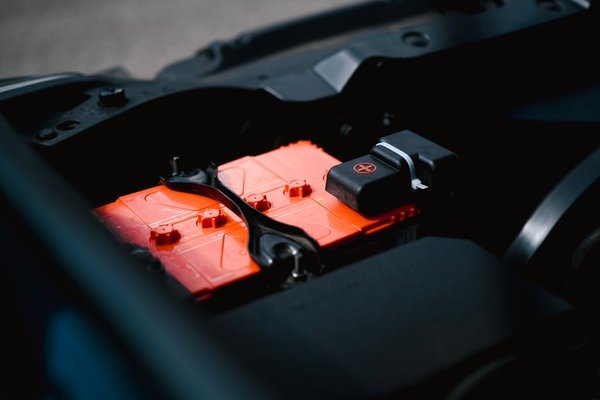
Most car batteries in the UK last around three to five years, although some fail earlier and others keep working beyond that range. If your car is getting slower to start, the important question is not simply its battery’s age, but whether it can still deliver enough power reliably. A battery that copes in August may struggle on a frosty January morning.
The average car battery life is a planning guide, not an expiry date. Driving habits, temperature, battery technology and the condition of your car’s charging system all influence when replacement becomes necessary.
What is the typical car battery lifespan in the UK?
For a conventional 12-volt starter battery in a petrol or diesel car, three to five years is a sensible expectation. The RAC gives the same general range, while recognising that driving conditions make a difference. A well-maintained battery may last longer, but relying on an older battery without checking it increases the risk of being stranded.
Start paying closer attention once a battery reaches its third year. That does not mean replacing a healthy battery automatically. It means checking its condition before winter and taking emerging starting problems seriously.
Why battery age tells only part of the story
Two cars registered in the same year can have different battery histories. One might cover regular motorway distances, while the other makes several five-minute journeys daily. The second may struggle to replace the energy used during repeated engine starts, despite its lower mileage.
Also remember that the battery could have been replaced since the car was manufactured. Check any dated label, service invoice or maintenance record rather than assuming the vehicle’s age is the battery’s age.
Why do UK car batteries wear out early?
Short journeys and repeated starting
Starting an engine requires a substantial burst of electrical power. The alternator normally replenishes that energy while the engine runs, but repeated short trips may not provide enough charging time. Heated screens, blowers and headlights increase demand during winter.
Cold weather and seasonal use
Cold temperatures reduce a battery’s ability to supply starting power just when the engine can be harder to turn over. A weakened battery may therefore work in autumn and fail during the first cold spell. Prolonged heat also accelerates ageing, so summer conditions matter too.
Long periods parked
Even when switched off, modern cars can draw electricity for alarms, security systems and memory functions. Leave a vehicle parked for weeks and the battery may become deeply discharged. Repeated deep discharge can shorten the life of a starter battery.
Electrical and charging faults
A failing alternator, poor connection or excessive electrical drain can make a good battery seem defective. Corroded terminals and loose connections interfere with starting. Replacing the battery without fixing an underlying fault may leave you facing the same problem.
Warning signs that a battery may need replacing
Battery replacement signs can be subtle. Watch for an engine that cranks more slowly than usual, especially after being parked overnight. Repeated clicking without a successful start, unusually weak interior lights before starting and frequent jump-starts also justify a battery check.
Some cars display electrical or stop-start system messages when charge is low. However, a battery-shaped dashboard warning lamp while the engine is running often points to a charging-system problem rather than proving the battery itself is worn out. Have the fault diagnosed promptly.
A swollen or leaking battery case is more urgent. Avoid handling or charging a visibly damaged battery; arrange professional inspection.
How can you tell whether the battery is flat or worn out?
A flat battery is not necessarily worn out. Leaving a light on overnight may discharge an otherwise healthy unit. Conversely, an ageing battery can show reasonable voltage after charging yet fail when asked to crank the engine.
A multimeter may show around 12.6 volts across a fully charged, rested conventional 12-volt lead-acid battery with the engine off. Voltage alone cannot establish battery health. A garage can perform a battery load or conductance test and check whether the alternator is charging correctly.
Imagine a UK driver whose four-year-old hatchback struggles to start after a week of short, cold-weather journeys. Charging with a suitable smart charger may restore normal starting. If the battery then tests healthy, replacement might be unnecessary. If it repeatedly loses charge or fails testing, a new battery becomes more likely to be the lasting fix.
How to help your car battery last longer
Maintaining car battery life in the UK is largely about avoiding preventable discharge. Switch off lights and accessories before leaving the vehicle. If you drive infrequently, consider a compatible smart battery maintainer, following the car and charger manufacturers’ instructions. Brief idling is not a reliable substitute for properly charging a depleted battery.
Ask for the battery and charging system to be checked during servicing, particularly once the battery is three years old. If terminals look corroded or cables seem loose, arrange an inspection rather than handling electrical connections without the appropriate knowledge.
Before a winter journey, a car battery health check can provide reassurance. Guides explaining how to charge a car battery safely and what to do when a car will not start are also useful preparations for an unexpected flat morning.
Replacing the battery: get the specification right
Choose a replacement approved for your vehicle’s model, engine and electrical equipment. Capacity, size, terminal layout and cold-cranking performance matter. A battery that physically fits is not automatically suitable.
Cars with stop-start technology often use enhanced flooded batteries (EFB) or absorbent glass mat (AGM) batteries. Do not replace these with an ordinary starter battery unless the manufacturer approves it. Many modern vehicles also require battery registration or configuration through their battery management system after fitting.
A reputable fitter can confirm the correct specification, check charging performance and advise whether programming is required. Keep your invoice and warranty information in case trouble returns.
Frequently asked questions
Can a car battery last seven years?
Yes, some do, but seven years is beyond the usual three-to-five-year range. Arrange a health test and watch for slower starting rather than assuming it will continue indefinitely.
Does a flat battery always need replacing?
No. A healthy battery drained by an accidental electrical load may recover after charging. Repeated discharge, poor charge retention or a failed load test suggests further diagnosis or replacement.
Do electric cars also have a 12-volt battery?
Many electric and hybrid vehicles have a separate low-voltage battery for controls and accessories. Its lifespan and replacement process differ from those of the high-voltage traction battery, so follow model-specific guidance.
Should I replace my battery before winter?
Not solely because winter is approaching. If the battery is several years old or has shown weakness, arrange a test before cold weather arrives. Replacing one that fails testing makes more sense than waiting for a breakdown.
When is it time to act?
The typical car battery lifespan in the UK is three to five years, but condition matters more than the calendar. Check its age, pay attention to starting behaviour and get unusual symptoms tested. A timely diagnosis can distinguish a tired battery from a charging fault and make replacement a considered decision rather than an emergency.