
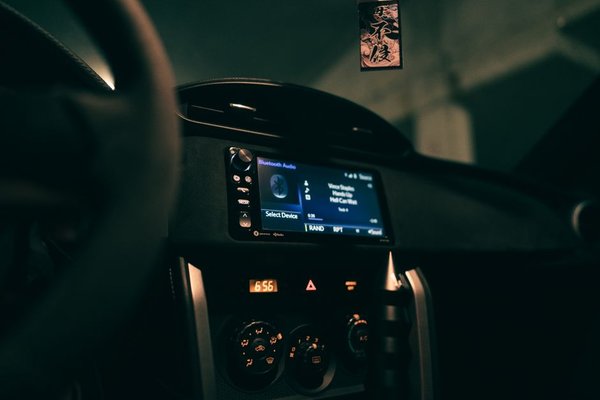
A disappointing factory stereo does not always need a complete replacement. Perhaps music sounds muddy, the radio drops its signal, or connecting a phone takes several attempts. This car stereo upgrade guide helps UK drivers decide what to change, what to keep and which compatibility checks matter before spending money.
The best car audio upgrade starts with the result you want on ordinary journeys: clearer speech, stronger bass, DAB radio, hands-free calls or easier navigation. Your priorities should determine whether a new head unit, better speakers or a combination delivers the most noticeable improvement.
Work Out What Your Existing Stereo Lacks
While safely parked, listen to a familiar track at moderate volume. Do the doors rattle? Are voices difficult to hear over road noise? Does the sound seem reasonable but the phone connection unreliable? These problems call for different solutions, and a touchscreen alone cannot fix poor speakers.
If smartphone integration is missing, prioritise a compatible radio. If the audio distorts, examine the car speakers and door trim first. If you want a fuller sound without excessive bass, careful speaker fitting and reducing unwanted door vibrations may help more than adding a large subwoofer.
Check Vehicle Compatibility Before Buying
Dashboard layout and original controls
Many older vehicles can accept a single-DIN or double-DIN aftermarket head unit with the right fascia kit. Newer cars may integrate audio with climate settings, parking displays or vehicle menus. Replacing the screen can then be difficult or costly, and a specialist integration module may be more practical.
Check the exact make, model, production year, trim and factory audio system. Cars that look identical can have different amplifiers and connectors. Before ordering, confirm whether the fitting kit preserves steering-wheel buttons, parking sensor sounds, factory cameras and other functions you use.
Wiring and radio reception
Allow for a suitable wiring harness, fascia, aerial adapter and possibly a steering-wheel-control or CAN-bus interface. Some original systems have proprietary amplifiers or fibre-optic connections needing specialist work. Avoid cutting factory wiring when a vehicle-specific adapter is available.
For DAB or DAB+ in the UK, confirm that the stereo has an appropriate aerial connection and reception setup. The existing FM aerial may not be enough. Depending on the vehicle, a dedicated DAB aerial or suitable splitter could be required.
Choose Features You Will Use Regularly
Apple CarPlay and Android Auto can bring compatible phone navigation, audio and calling apps to the dashboard. Check phone compatibility and whether the unit uses wired or wireless connection. A responsive interface, sensible controls and a clear microphone are often more valuable than extra functions you will rarely touch.
Also consider USB charging, DAB reception, Bluetooth call quality, equaliser settings, amplifier outputs and reversing-camera support. Think about glare and screen position. Where the factory radio is deeply integrated, a compatible phone-connectivity module may preserve its appearance and existing controls.
Upgrade Speakers With the Right Expectations
Better car speakers can provide clearer vocals and detail, but diameter is only one measurement. Check mounting depth, fixing points, impedance and whether adapter rings are needed. An unsuitable speaker can obstruct a window mechanism or fail to fit behind the trim.
Some vehicles have separate tweeters, crossovers or factory amplification. Speaker sensitivity also matters if the head unit supplies the power: demanding speakers may sound disappointing without an amplifier. Start with a vehicle-specific car speaker size guide rather than a generic chart.
Before blaming the equipment, inspect loose panels and damaged clips. Poor mounting can cause buzzing that makes a decent speaker sound cheap. Good installation and modest sound treatment often deliver a worthwhile improvement.
Build Your Upgrade in Sensible Stages
Price all required parts and labour, not just the advertised stereo. If connectivity frustrates you most, start with the head unit and its adapters. If you already have the features you need, address worn speakers first. Listen to the results before deciding on a separate amplifier or compact subwoofer.
Imagine a driver with a mid-2010s hatchback who wants DAB and smartphone navigation while keeping steering-wheel controls. The first shopping task is to identify the factory radio and compatible fitting kit, not to choose the biggest screen. An interface and aerial solution may take a significant share of the budget.
Request an itemised stereo fitting quote showing equipment, adaptors and installation. That makes professional work easier to compare with a DIY project, including tools and potential dashboard-trim damage.
Fit and Test the System Carefully
Straightforward replacements can be manageable on some older cars, but modern integrated systems deserve caution. Follow the vehicle manufacturer’s electrical safety guidance and use proper removal tools. Leave unknown wiring, airbag-adjacent work and complex factory amplifiers to a qualified specialist.
Before reassembling the dashboard, test every speaker, phone calls, microphone, charging, DAB reception and steering-wheel button. Check reversing functions and parking alerts where applicable. Also listen for electrical interference and confirm the radio behaves properly when the ignition is switched off and on.
Ask your insurer whether the modification needs declaring and retain receipts for any upgraded equipment. Configure routes and playlists while parked. The Highway Code requires drivers to maintain proper control of their vehicle; even hands-free technology can distract.
Avoid Three Common Buying Mistakes
The first mistake is buying a radio without checking physical fit and factory integration. The second is judging audio quality by maximum advertised wattage instead of speaker matching and clean amplification. The third is forgetting aerials, microphone placement and original vehicle functions until after installation.
For more detailed checks, a DAB car aerial installation guide and Bluetooth car stereo troubleshooting guide can help you resolve reception and connection problems without replacing working equipment.
Frequently Asked Questions
Can any aftermarket stereo fit my car?
No. Dashboard dimensions, connectors, amplifiers and factory controls vary. Confirm compatibility for your exact vehicle and original audio system before buying.
Should I replace the head unit or speakers first?
Replace the head unit first for missing connectivity or functions. Start with speakers if the existing radio does what you need but sound quality is disappointing.
Will I need a separate DAB aerial?
Possibly. Some cars already have suitable aerial equipment; others need an additional antenna or compatible splitter. Check the vehicle and radio specifications.
Is professional stereo fitting worth it?
Often, especially when factory displays, parking sensors, steering controls or amplifiers are integrated. An experienced installer can check retained functions and troubleshoot wiring.
Conclusion
A successful stereo refresh is not about choosing the biggest screen or loudest speakers. Define what needs improving, verify compatibility and spend first on the changes you will actually notice. With sound planning and careful fitting, you can enjoy better audio and useful technology without sacrificing everyday convenience.