
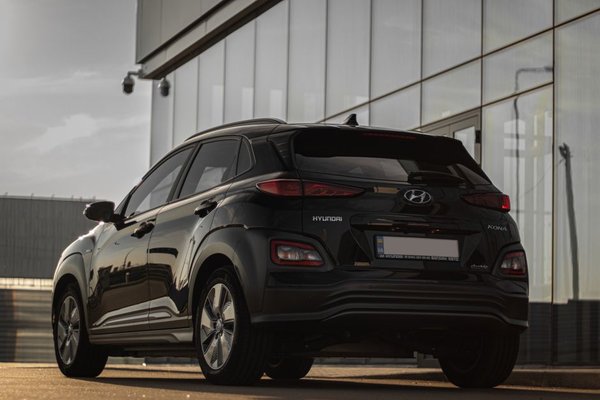
The Hyundai Inster and Citroën ë-C3 tackle the affordable EV brief differently. The Inster is a smaller, highly flexible city car, while the ë-C3 is closer to a conventional five-seat supermini with comfort at its core. For UK buyers, parking space, passenger needs, charging routine and typical journey length matter more than a small difference in headline figures.
Hyundai Inster vs Citroën ë-C3 at a glance
Hyundai currently lists the Inster from £22,995. It is available with 42 kWh and 49 kWh batteries, with the long-range version offering up to 229 miles of WLTP range on 15-inch wheels. The Citroën ë-C3 range is currently promoted from £18,495 OTR, while its electric line-up now includes a 30 kWh Urban Range version rated at up to 130 miles and a 44 kWh Comfort Range version rated at up to 202 miles WLTP.
The headline price comparison is therefore not completely like-for-like. The cheapest ë-C3 prioritises affordability over distance, while the 44 kWh version is the fairer Inster rival for drivers who regularly leave town. Compare the exact battery, trim and grant-adjusted price before ordering.
Range: the Inster has the stronger long-distance cushion
If maximum usable range is your priority, the Inster has the advantage on official figures. Its 49 kWh battery can deliver up to 229 miles WLTP, versus up to 202 miles for the 44 kWh ë-C3. The smaller-battery Inster also gives buyers a second option without dropping all the way to the Citroën Urban Range’s 130-mile figure.
Real-world range falls in cold weather, at sustained motorway speeds or with heavy cabin-heating use. A driver commuting 35 miles each way has more margin in the long-range Inster before recharging. Someone covering ten or fifteen urban miles a day and charging at home may find the lower-cost ë-C3 Urban Range perfectly adequate.
Charging: both can handle occasional longer trips
The 49 kWh and 42 kWh Inster can charge from 10% to 80% in around 30 minutes when connected to a sufficiently powerful DC charger. The 44 kWh ë-C3 can go from 20% to 80% in about 26 minutes using a 100 kW DC charger. Those percentages are different, so the quoted times are not a like-for-like race, but both are quick enough to make a coffee-stop recharge realistic.
The exception is the 30 kWh ë-C3 Urban Range, which has lower DC charging capability. Frequent motorway users should therefore look beyond the cheapest entry price. For broader ownership planning, see our guide to affordable electric cars and our home EV charging guide.
Cabin space and practicality: choose flexibility or five seats
The Inster is only about 3.83 metres long, making it especially easy to place in tight streets and small parking bays. Its clever rear seats slide by up to 16 cm, allowing the boot to vary from 238 to 351 litres depending on whether you prioritise rear legroom or luggage. All four seats can also fold flat, which gives this tiny car unusual carrying flexibility.
The ë-C3 is roughly 4.01 metres long and approved for five occupants. Its 310-litre boot is more conventional. If you regularly carry three people across the rear bench, the Citroën wins by default because the Inster is a four-seater. If you usually travel alone or as a couple but often carry bulky items, the Hyundai’s sliding and folding seats are especially useful.
Comfort and city driving
Citroën makes ride comfort a defining feature of the ë-C3 through its Advanced Comfort suspension and seats. That gives it a strong case on broken urban roads, speed humps and longer commutes.
The Inster answers with manoeuvrability, excellent visibility and compact dimensions. Its i-Pedal function can bring the car to a stop using accelerator-pedal control, which can reduce the constant switching between pedals in stop-start traffic. Higher versions can also offer vehicle-to-load functionality, allowing the traction battery to power external devices. For buyers who treat their EV as a compact everyday tool rather than simply transport, that is a distinctive extra.
Running costs and value
There is no single running-cost winner because electricity price, annual mileage, insurance, tyres and finance terms can outweigh small efficiency differences. Home charging on an off-peak tariff can make either car inexpensive to fuel, while frequent rapid charging reduces that advantage. Get an insurance quote before ordering, especially if this is your first EV.
Value depends on what you actually need. The ë-C3 offers the lower starting point and five-seat practicality, while the Inster asks more at entry level but counters with a longer maximum range, smaller footprint and unusually adaptable interior. Our electric-car running costs guide is a useful next step if you want to compare ownership rather than purchase price alone.
Which budget EV is better?
Choose the Hyundai Inster if you want the smallest possible footprint without accepting a short maximum range. Its 229-mile headline figure, sliding rear seats and compact dimensions make it particularly convincing for couples, solo drivers and households needing a second car that can still handle occasional longer journeys.
Choose the Citroën ë-C3 if five seats, a softer ride and a lower entry price matter more. The 44 kWh Comfort Range version is the one to compare with the Inster for mixed urban and intercity driving, while the 30 kWh Urban Range version makes most sense for predictable local mileage and reliable access to charging.
FAQ
Which has more range, the Hyundai Inster or Citroën ë-C3?
The longest-range Inster has the advantage, with up to 229 miles WLTP from its 49 kWh battery. The 44 kWh ë-C3 Comfort Range is rated at up to 202 miles, while the 30 kWh Urban Range version offers up to 130 miles.
Which is better for families?
The ë-C3 is usually the better choice if you need five seats. The Inster seats four, although its sliding rear bench and fold-flat seating make it exceptionally flexible for a small car.
Which charges faster?
The 44 kWh ë-C3 quotes around 26 minutes from 20% to 80% on a 100 kW DC charger. The Inster quotes around 30 minutes from 10% to 80% on a sufficiently powerful DC charger. Because the starting percentages differ, the figures should not be compared as a simple stopwatch test.
Which is better for UK city driving?
The Inster is easier to park because it is shorter, while the ë-C3 offers a more conventional five-seat cabin and comfort-focused suspension. For tight urban parking, the Hyundai has the edge; for carrying more people over rough city roads, the Citroën is more appealing.
Conclusion
For most buyers comparing the Hyundai Inster vs Citroën ë-C3, the decision comes down to priorities rather than a clear overall winner. The Inster is the cleverer compact package and offers the stronger maximum range. The ë-C3 is the more traditional small family car, with five seats, an emphasis on comfort and a cheaper route into electric motoring. Compare equivalent battery versions, check the current configured price and think about your longest regular journey before choosing.